
Predator Blog ·
House building made easy: tips and challenges
Obstacles in Designing Dream Homes… Explores the challenges from project initiation to on-site fine-tuning.
In the vibrant world of interior design and construction, beginning a new project means creating an evolving body of work. From the first impulse of inspiration to the skillful implementation on site, every step follows a path to excellence that combines cost with art to create functional and stylish spaces. In today's article we delve into the details of the construction process and at the same time point out typical pitfalls that should be avoided!
1. Planning: Creating the vision
At the beginning of every project we embark on a journey of inspiration and decision-making. The first step involves an in-depth meeting to discuss preferences, dreams and functional needs. From assembling inspiration collages that capture the desired aesthetic to planning the initial layout of the space, this phase lays the foundation for the design proposal. The collaborative exchange at this point shapes the character of the entire project.
This is where the crucial importance of a compassionate architect comes into play. An architect who understands the client's vision and needs plays a significant role in the success of the project. Through his ability to grasp the unique aspects and requirements, a good architect not only creates aesthetically pleasing designs but also optimizes the functionality and comfort of the space. Working in partnership with such an architect enriches the entire process and contributes significantly to ensuring that the realized vision exceeds expectations.
- Insufficient understanding between architect and customer: Problem: Lack of understanding of your wishes, dreams and functional requirements. Lack of comprehensive research and collection of inspiration for the project. Solution: Understand what you want and choose an architect who understands your vision. Invests time in researching design trends and architectural styles.
- Neglecting Budget and Site Constraints: Problem: Neglecting budget considerations during the design phase and overlooking specific site constraints. Solution: Define clear budget limits and work within these limits to avoid later complications in the project. Conducts a thorough site analysis to identify any physical or environmental constraints that may affect the design, such as the development of the property.
- Failure to comply with government regulations: Problem: Careless disregard of local building codes and regulations. Solution: Ensures that the initial spatial distribution and design proposal complies with all applicable laws and regulations.
- Unclear design direction: Problem: Lack of a clear and consistent design vision. Solution: Develop mood images and sketch the original room layout to create a solid design foundation that reflects the desired aesthetic. Also pay attention to the materials that will later influence the Memoria de Calidades - we will come back to this later.
- Inadequate Documentation: Problem: Failure to document key decisions and findings. Solution: Keep detailed records of your preferences, project goals, and initial design concepts for reference throughout the project.
2. Technical precision: basic planning
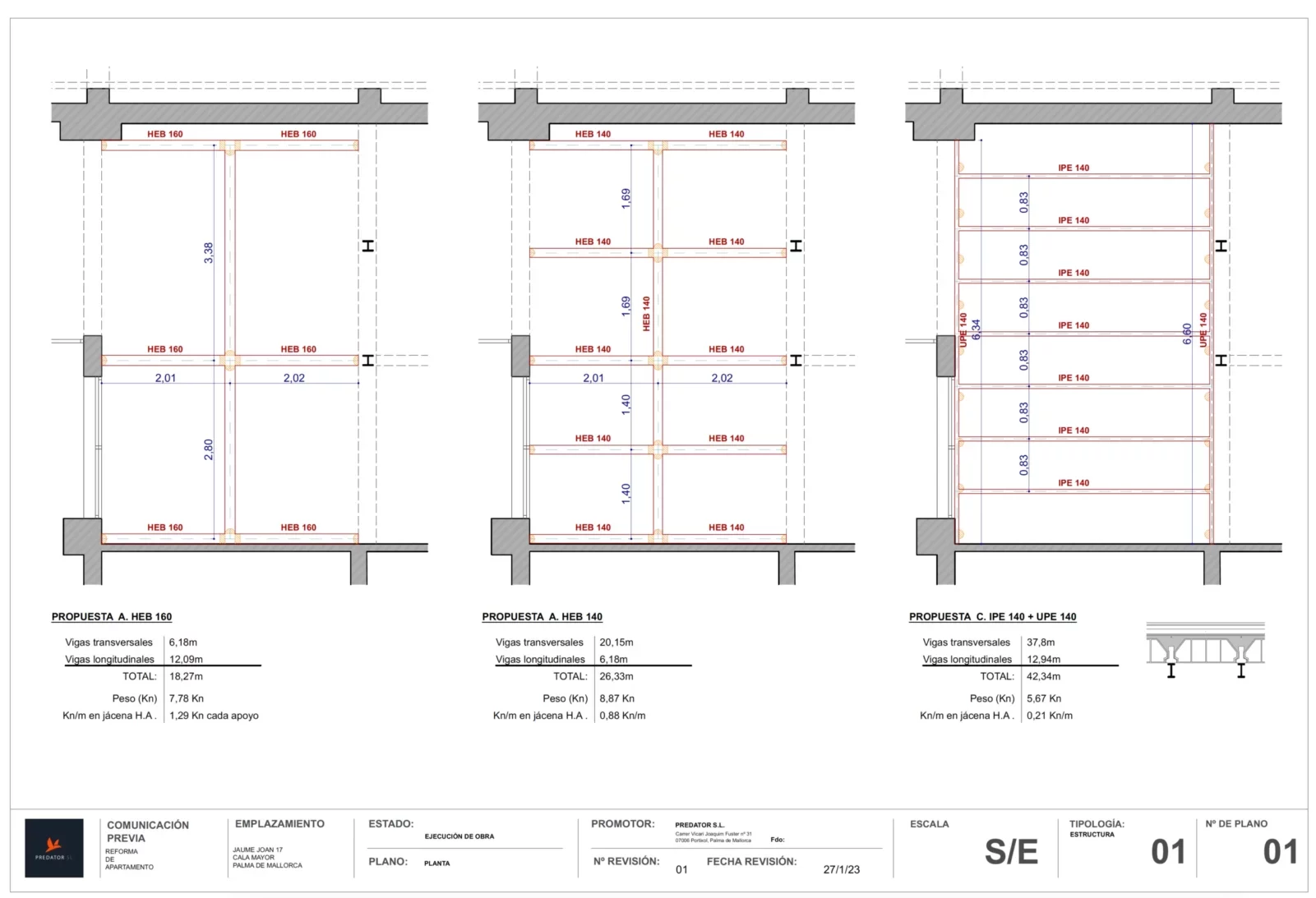
Once the design vision is established, the next step is to translate it into tangible plans. In Spain this step is called the creation of the “Proyecto Básico”.
The “Proyecto Básico” in Spain is the basic project, a preliminary architectural and engineering design required to obtain building permits. Once the “Proyecto Básico” is approved by the relevant authorities, it forms the basis for the subsequent “Proyecto de Ejecución” or execution project, which provides detailed and comprehensive construction plans.
Once the “Proyecto Básico” has been completed and approved, it is usually submitted to the local municipality as part of the approval process. Local authorities examine the basic project to ensure that it complies with building regulations, safety standards and other legal requirements. Once approved, the project can move on to the next phases of development and construction.
It is crucial that the architect has a sound understanding of local conditions and regulations. This is the only way to ensure that the “Proyecto Básico” complies with local building regulations, safety standards and other legal requirements.
- Inconsistent Technical Plans: Problem: Lack of consistency and clarity in technical plans. Solution: careful development of all technical plans that provide clear details of the design specifications and construction requirements.
- Overlooking government regulations: Problem: Difficulty navigating complex local regulations and obtaining required licenses. Solution: Make regulatory compliance a priority and work closely with an experienced architect knowledgeable in local regulations to secure all necessary permits before construction begins.
- Deviation from the original design vision, without neglecting the careful creation of a “Memoria de Calidades”: Problem: Distraction from the original design vision when translated into technical plans. Solution: Regularly compares technical plans and initial design vision to ensure consistency and agreement are maintained throughout documentation. It is best to create a “Memoria de calidades”. A document used in the construction industry that provides a detailed description of the materials, equipment, and quality standards for a construction project.
- Budgeting Inaccuracies: Problem: Imprecise cost estimates for the entire construction process, including regulatory processes, licensing procurement. Solution: Get accurate and comprehensive budgeting for all phases of the construction process, including regulatory processes, licensing and other relevant aspects, to avoid financial surprises later. Compare multiple options from different builders and architects to develop an idea.
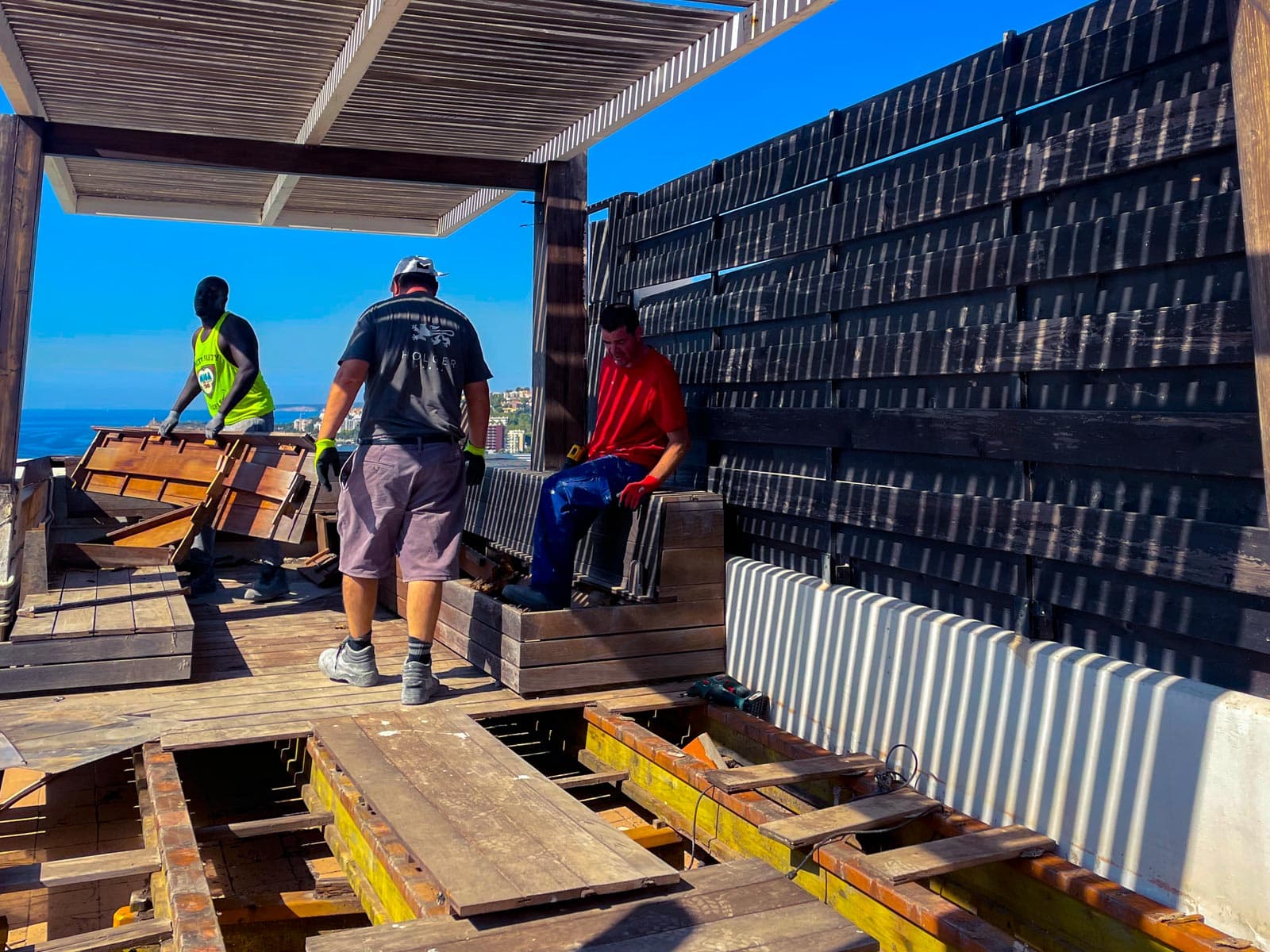
After the license signals the green light, we begin the refinement process known as “Proyecto de Ejecución”. This crucial phase involves the creation of a detailed and comprehensive set of architectural and engineering plans. With the entry into the “Proyecto de Ejecución” phase, the construction process on site begins in full. This key phase marks the start of physical construction work, where the meticulously developed plans take shape. The construction company plays a central role in this phase and becomes a key resource for obvious reasons. His job is to translate the detailed plans into concrete structures, making the selection of a reliable and experienced construction company crucial for the smooth implementation of the designed design.
In the “Proyecto de Ejecución” essential components are detailed architectural drawings, structural plans, technical specifications and other important construction-related details. Here the importance of a clear “Memoria de Calidades” (material and equipment specification) also becomes apparent to ensure accuracy in the selection of materials and equipment.
The presence of a dedicated project manager during the “Proyecto de Ejecución” is essential. In addition to overseeing details, managing schedules, and ensuring seamless communication across the construction team, the project manager plays a critical role in financial governance. His expertise in financial management ensures the project stays within budget.
- Insufficient pre-screening to select the appropriate contractor: Problem: Lack of in-depth research into potential contractors. Solution: Intensive research and thorough vetting of contractors, taking into account reputation, track record and previous projects. Check references and verify their financial stability. Balances cost considerations with the reliability and reputation of the construction company. Cheaper options could mean quality and schedule compromises.
- Incomplete contractual agreements with your building contractor and architect: Problem: Conclusion of contracts with unclear conditions and deadlines. Solution: Ensure that the contract defines clear deadlines, milestones and consequences for delays. A carefully drafted contract is crucial to holding the construction company accountable.
- Working with the right architect: Problem: Incompetence can lead to insufficient detail in technical specifications, leaving room for interpretation. Solution: Work with an architect to provide clear technical specifications, including materials, construction methods and measurements, to avoid confusion during the construction process.
- Overlooking legal compliance of the construction company: Problem: Neglect of legal and regulatory compliance by the construction company. Solution: Verify that the construction company has all necessary licenses and insurance. Ensures compliance with local building codes and regulations.
- Insufficient coordination between disciplines: Problem: Lack of coordination between architects, engineers and other professionals involved in the “Proyecto de Ejecución”. Solution: Promotes regular communication and collaboration between contractors, architects and team members to ensure smooth integration of all project aspects.
4. On-Site Mastery: Construction supervision
The groundbreaking not only begins construction, but also a dedication that goes beyond implementing the plan. Continuous monitoring and immediate management of challenges are key. This hands-on strategy ensures plan adherence, with particular emphasis on quality control and timely problem resolution. It should be emphasized that economic control is also crucial at this stage to ensure that the project stays within the established budget.
In this dynamic process, the involvement of a project manager becomes an invaluable asset. As a central figure, the project manager brings valuable expertise to coordinate various aspects of the project. His role includes managing schedules, promoting seamless communication within the team and resolving potential issues. This ensures a smooth process from initial conception to completion, characterized by precision and excellence, with the project manager playing a key role in the successful process. The presence of a dedicated project manager during the “Proyecto de Ejecución” is crucial. In addition to monitoring details, time management and ensuring smooth communication within the construction team, the project manager plays a crucial role in economic control. His expertise in financial management ensures that the project stays within the set budget.
- Irregular on-site presence: Problem: Irregular or infrequent visits to the construction site. Lack of documentation of activities and decisions made on site. Solution: Maintain a constant presence to monitor progress and resolve issues as they arise. Assign either the project manager or the construction company's jefe de obra to this task to ensure effective supervision and timely problem resolution to keep the project on track. Keep careful records of site visits, discussions and any changes made during construction. Comprehensive documentation contributes to accountability and future guidance.
- Lack of control over quality and cost-effectiveness: Problem: Neglect of quality control measures during construction and lack of follow-up to ensure that everything is being implemented within the agreed budgets. Solution: Transfer this responsibility to the project manager. He is responsible for implementing strict quality control processes to ensure construction conforms to approved plans and achieves desired quality standards.
- Limited cooperation with contractors: Problem: Insufficient cooperation with contractors and subcontractors. Resolution: Fosters a collaborative environment with all construction team members to support effective on-site problem solving.
- Underestimating Changes: Problem: Lack of effective management of changes during construction. Solution: Establish a robust change management process to ensure modifications are thoroughly assessed, documented, and communicated to all relevant parties. Anticipates potential challenges and develops proactive strategies to address them. A proactive approach minimizes the impact of unexpected issues on the project schedule.