
Predator Blog ·
Permanent construction site: Paseo Marítimo Palma?
Reclaimed from the sea at the beginning of the 20th century and, essentially, little more than a cliff, the Paseo Maritimo Palma is set to get a completely new look by 2024. More here …
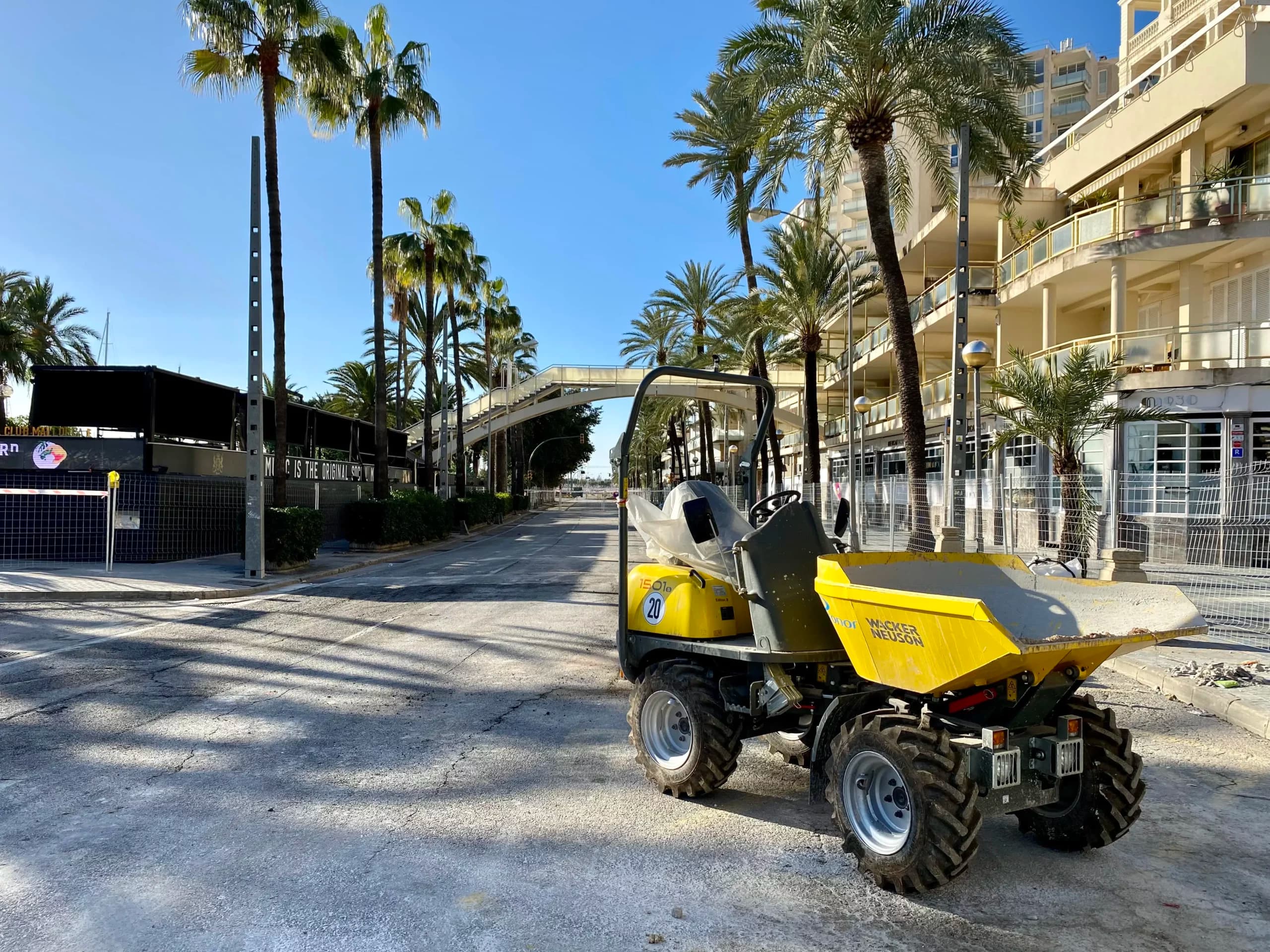
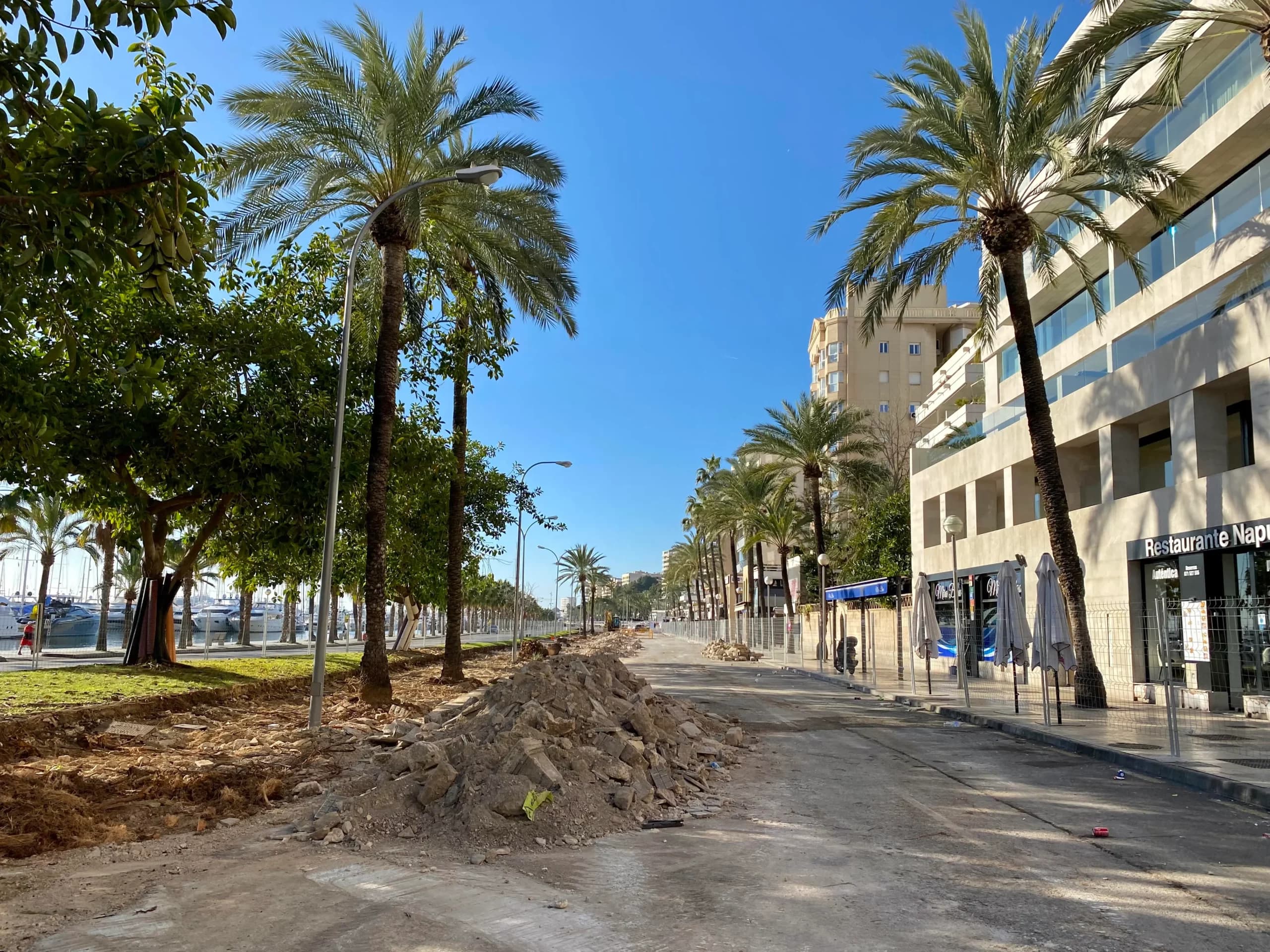
If you’ve walked along the Paseo Marítimo Palma recently, you’ll have noticed that the “Passeig Nou” project (the Mallorquin word for “new Paseo”) is already in full swing. Finding a free parking space is hardly possible anymore, and until completion in summer 2024 the area can, for the first time, truly be described as a major construction site. The upgrade of Palma’s harbour promenade is obvious… New walkways, trees, parks, rest areas, shops, restaurants and terraces with sea views.
The disappearance of lanes heading towards Porto Pi has not so far led to major traffic jam problems. Traffic is slower, but flowing, as it has been reorganised via the lanes heading towards Palma. The biggest conflict at present is the lack of parking. In order to carry out the construction work properly and reorganise traffic, almost all parking options have been removed. Complaints were not long in coming, and Palma City Council is already working on three alternatives for new parking zones.
On Calle Federico García Lorca, around 150 new parking spaces will be created. Another 80 vehicles can park in the car park by the quay wall (Muelle de les Golondrinas) in front of the Auditorium de Palma. And 800 new parking spaces will be created on a 30,000-square-metre large site next to the warehouses of the company CLH (Porto Pi). These alternatives are expected to be available in March.
With a budget of around 37.5 million, the current project under the direction of architect Elías Torres aims to reduce the lanes for vehicles (from 6 to 4), widen the pavements and reduce the number of parking spaces by almost a thousand. New underground car parks are intended to ensure sufficient parking spaces. This despite the city’s priority being public transport, which is to be used more.
The pedestrian area will be increased from 29.5% to 39.7%, and the pavements, which are currently a maximum of 5 m wide, will be expanded from 5 to 10 m. Planting will also increase significantly. Along the entire Paseo Marítimo, more than 1,800 trees and 21 different species will be planted. In addition, there will be 512 palm trees. In total, according to municipal information, around 37,000 square metres of planting will be created. As many of the existing trees as possible will be preserved or transplanted.
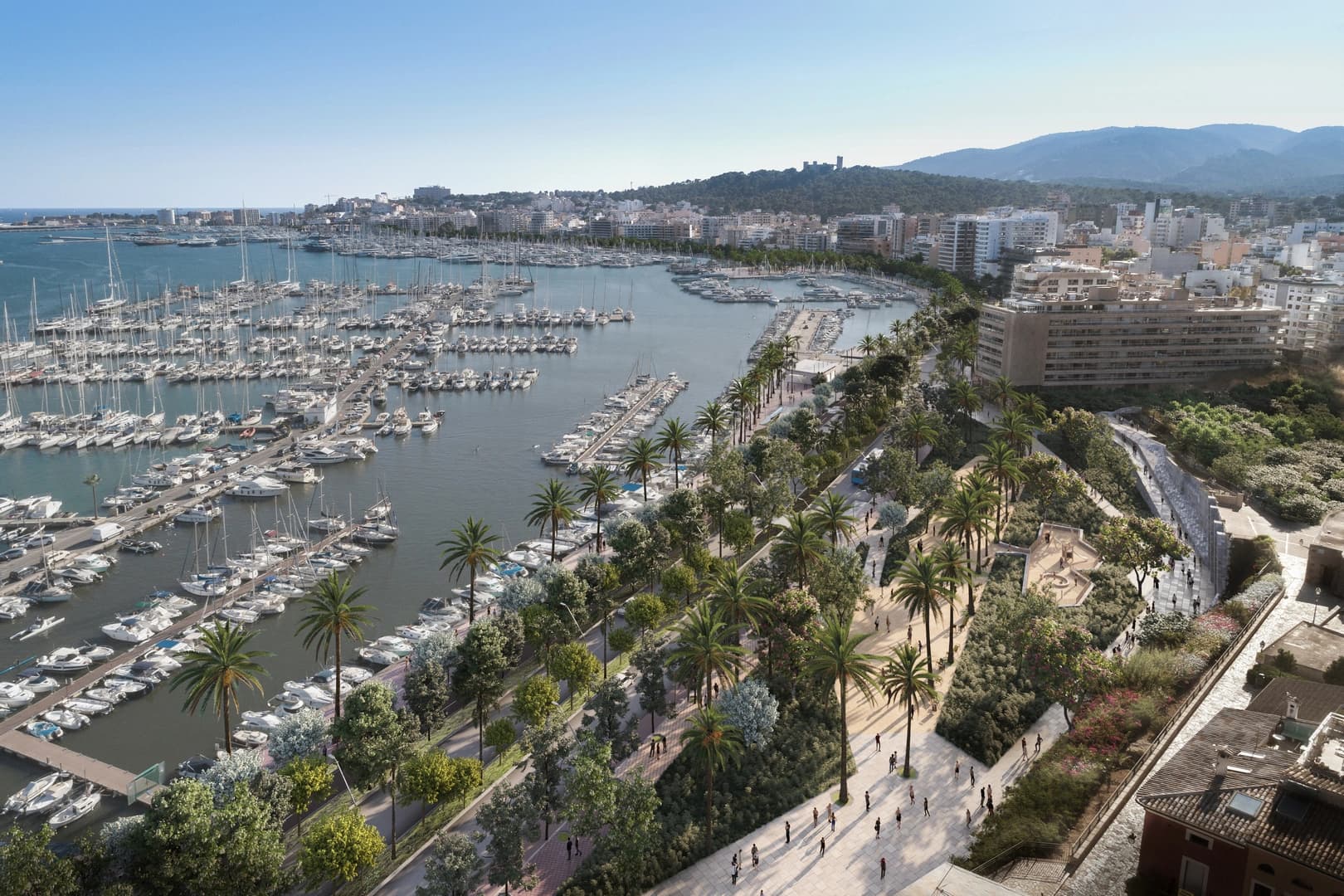
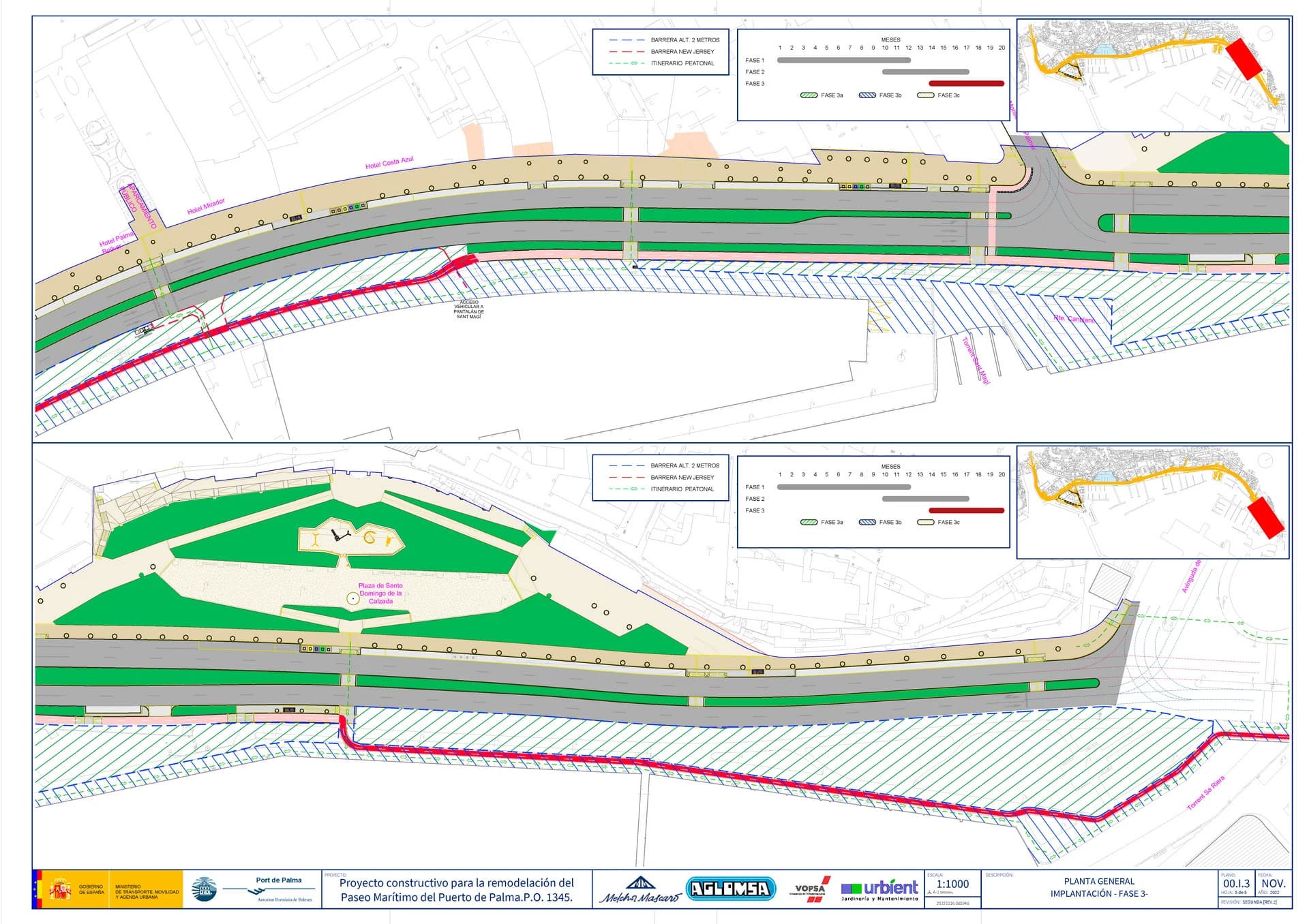
One of the most important conversions is taking place at Plaza de Santo Domingo de la Calzada, located directly below the Es Jonquet neighbourhood. In this area, the pedestrian zone and the creation of a children’s playground will take priority, and the side street will make way for it. In addition, there will be an improved connection with the Es Jonquet / Santa Catalina neighbourhood.
The new promenade concept also includes a sustainable drainage system that enables the filtering of pollutants and the reuse of rainwater. The lighting concept relies on LED lights controlled via a central system, which ensures efficient use. In addition, there will be several charging stations for electric vehicles, and a possible route has been planned for the tram that may follow at some point.
Until now, the ‘Paseo’ has been home to cheap nightlife: small shops that are more like small convenience stores and, above all: lots of cars. In the 1930s, the buildings on the Paseo Marítimo were located directly on the water. The ‘Paseo’ was created in the 1950s as a connection between the then-new harbour of Porto Pi and the old harbour mole. It was truly “wrested” from the water; where the cars drive today, there used to be the sea. In the 1970s came the massive rise in high-rise construction. This led to a soulless area that also seemed somewhat neglected, where traffic links and the quantity of housing were prioritised. And unfortunately, not so much attention was paid to flair and sustainability.
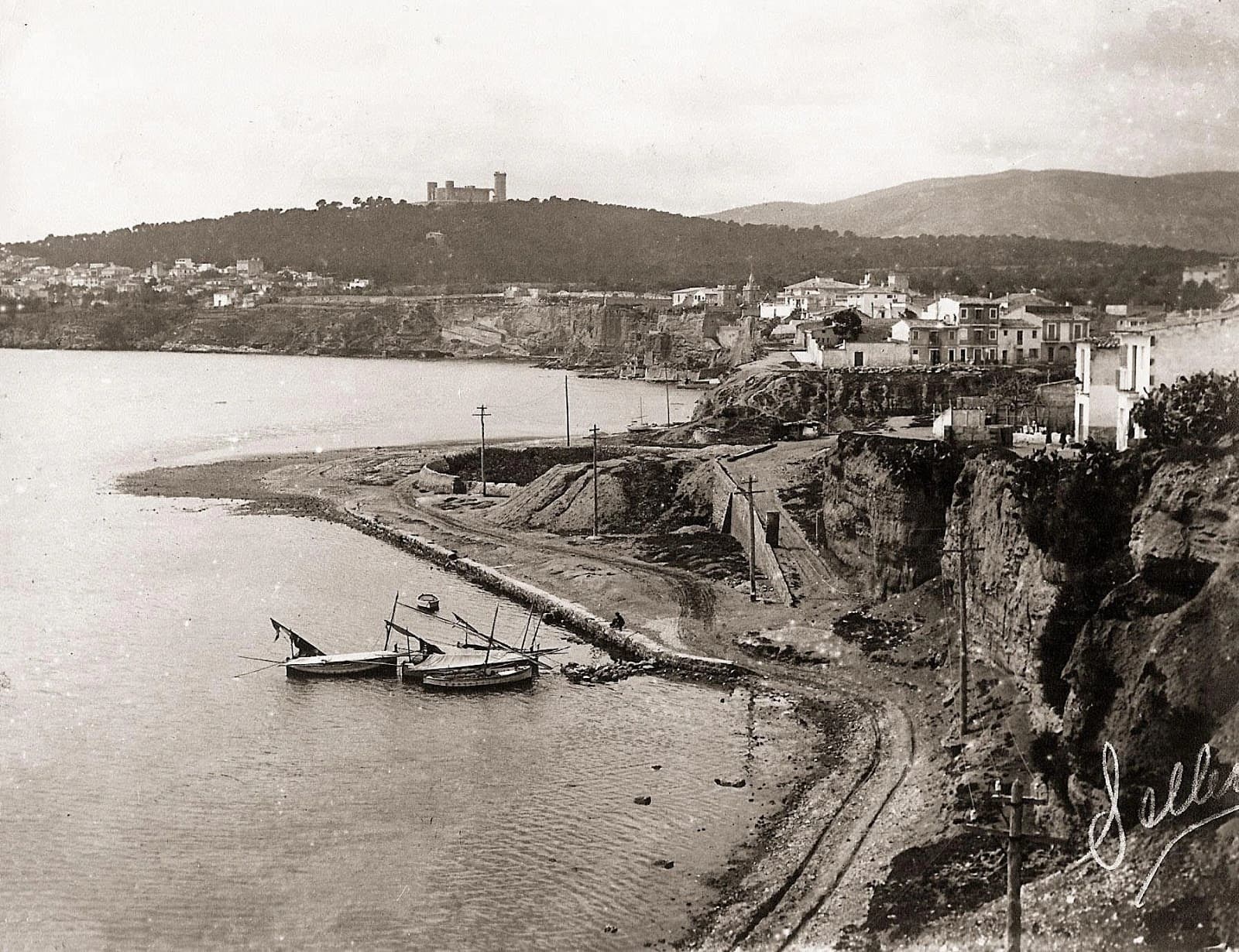
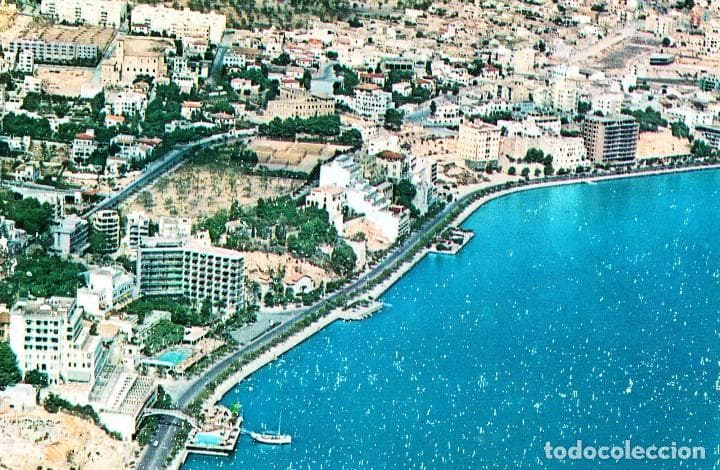
The Balearic Ports Authority (APB) has awarded the works to the construction companies Melchor Mascaró, Vopsa, Aglomsa and Urbient. Four Mallorcan companies with extensive experience in the construction sector, which have proven themselves on the island for forty years. All four have their own resources and regularly carry out public-sector work. To find out more about the progress of the works, the Ports Authority has set up a website with the latest information about the project.
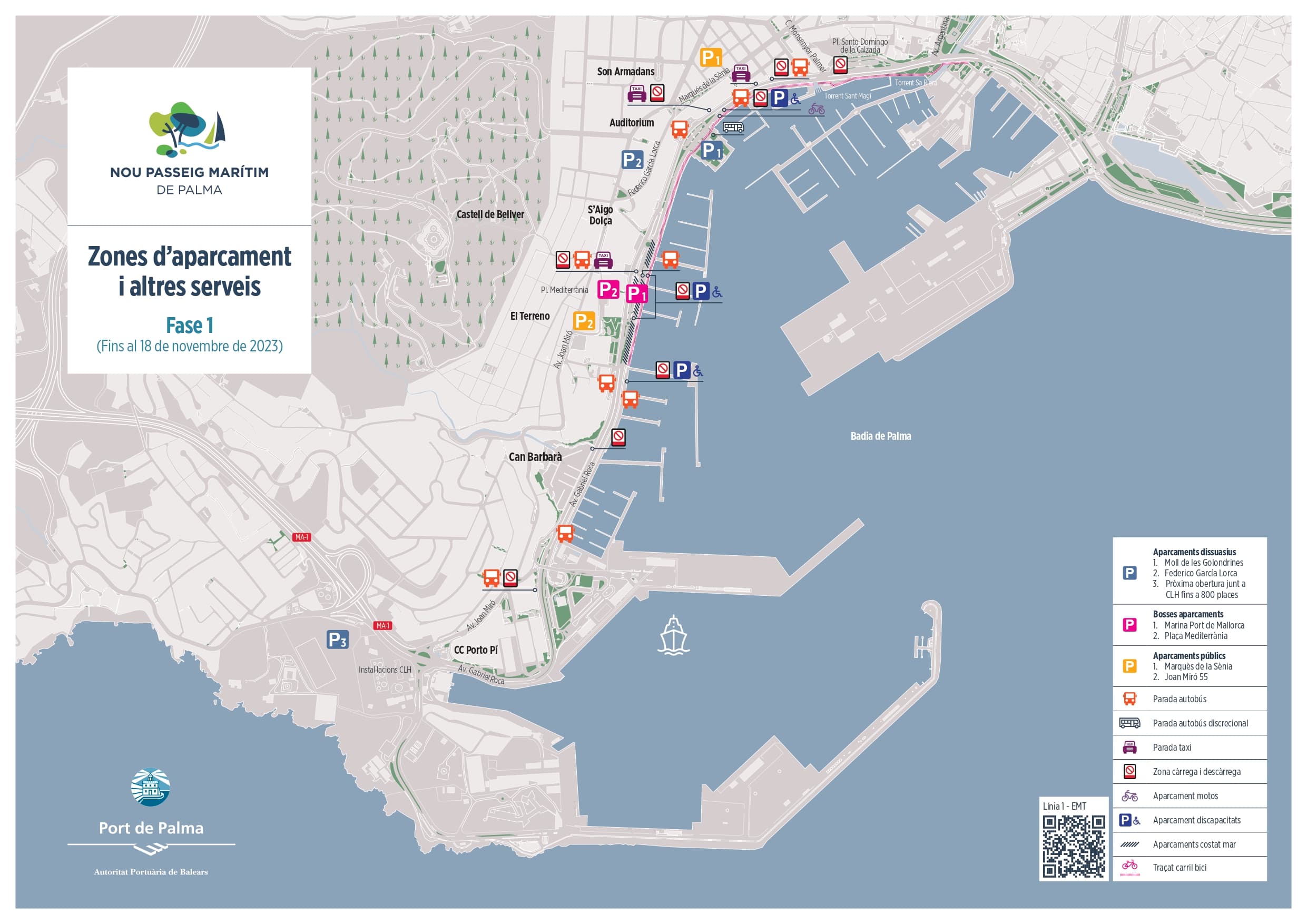
For Palma’s mayor, José Hila, the renovation is very ambitious: “We are going to reshape Palma’s coastline; we are going to bring Palma closer to the sea.” “It is a clear example of a city that is in transition towards a greener metropolis.” The President of the Government, Francina Armengol, also emphasised that “many existing businesses on the Paseo Marítimo Palma will be significantly upgraded”.
After this reform, the Paseo Marítimo Palma will be able to boast of being one of the few places in the world that has around 3.5 kilometres of coastline and at the same time is located so close to the city.
What do you think? Will the promenade bring the expected upgrade to the area?
I’m looking forward to your opinion!